Quiet residencies
One or two people. Non-commercial. Reading, writing, walking, prayer, creative work. The land is the host.
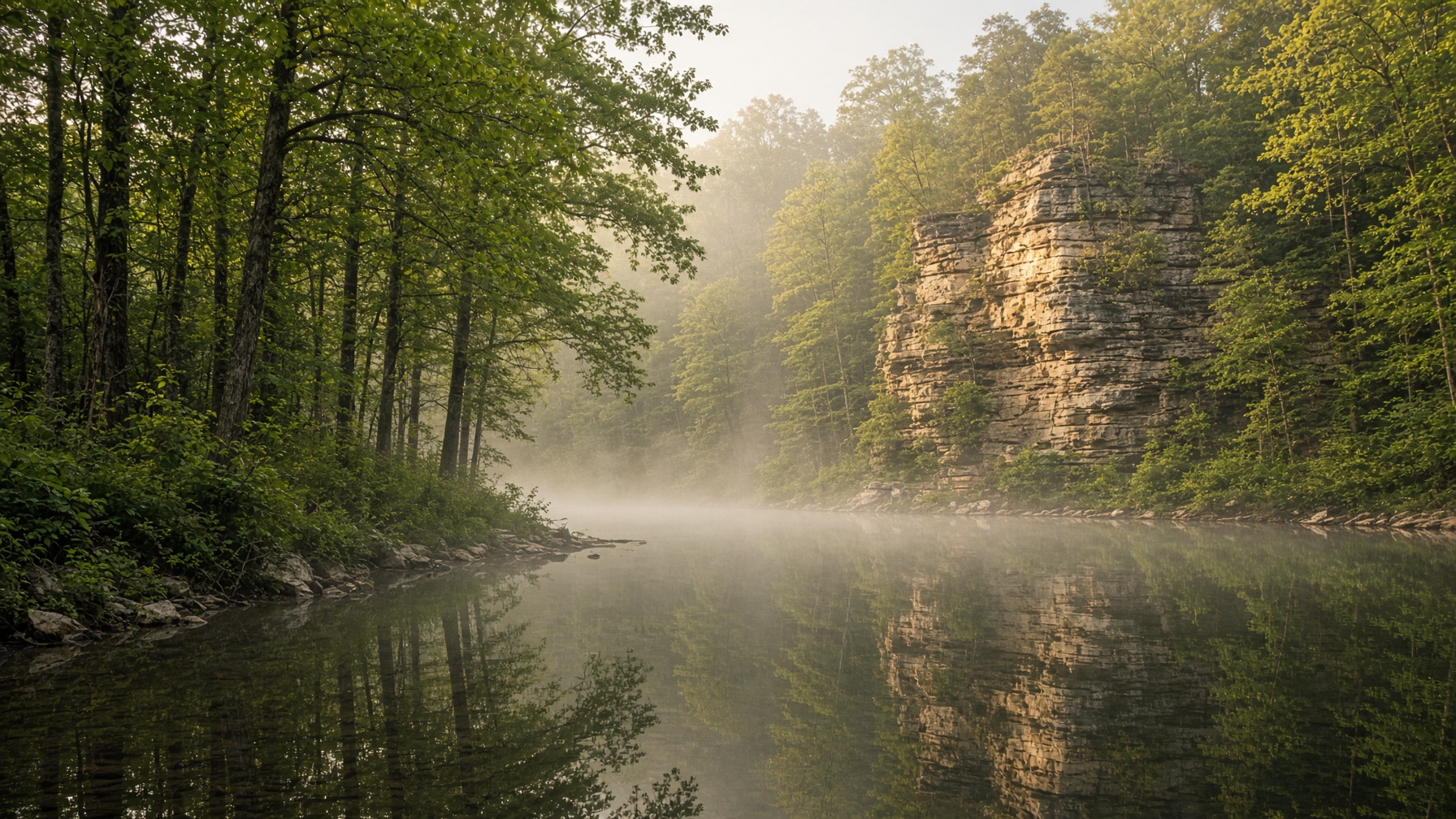
The Walden Initiative helps landowners protect farms, forests, and quiet landscapes so deliberate living, ecological care, and legacy learning can still happen.
A Chartered Program of The Dignity Imperative
86,000
acres / year
Tennessee farmland lost
9–10
acres / hour
Statewide conversion pace
~1/3
farmland
Lost in Williamson County, 1997–2017
300k+
people
Added to Nashville metro since 2010
Mission
We work with landowners to set apart portions of land as Walden Zones — protected from subdivision and intensive conversion, then carefully activated through ecological care, outdoor learning, quiet retreat, and shared experience.
Not a single retreat campus. Not a mass public-access park. A covenant network: modest, relational, and adaptive to each property’s character.
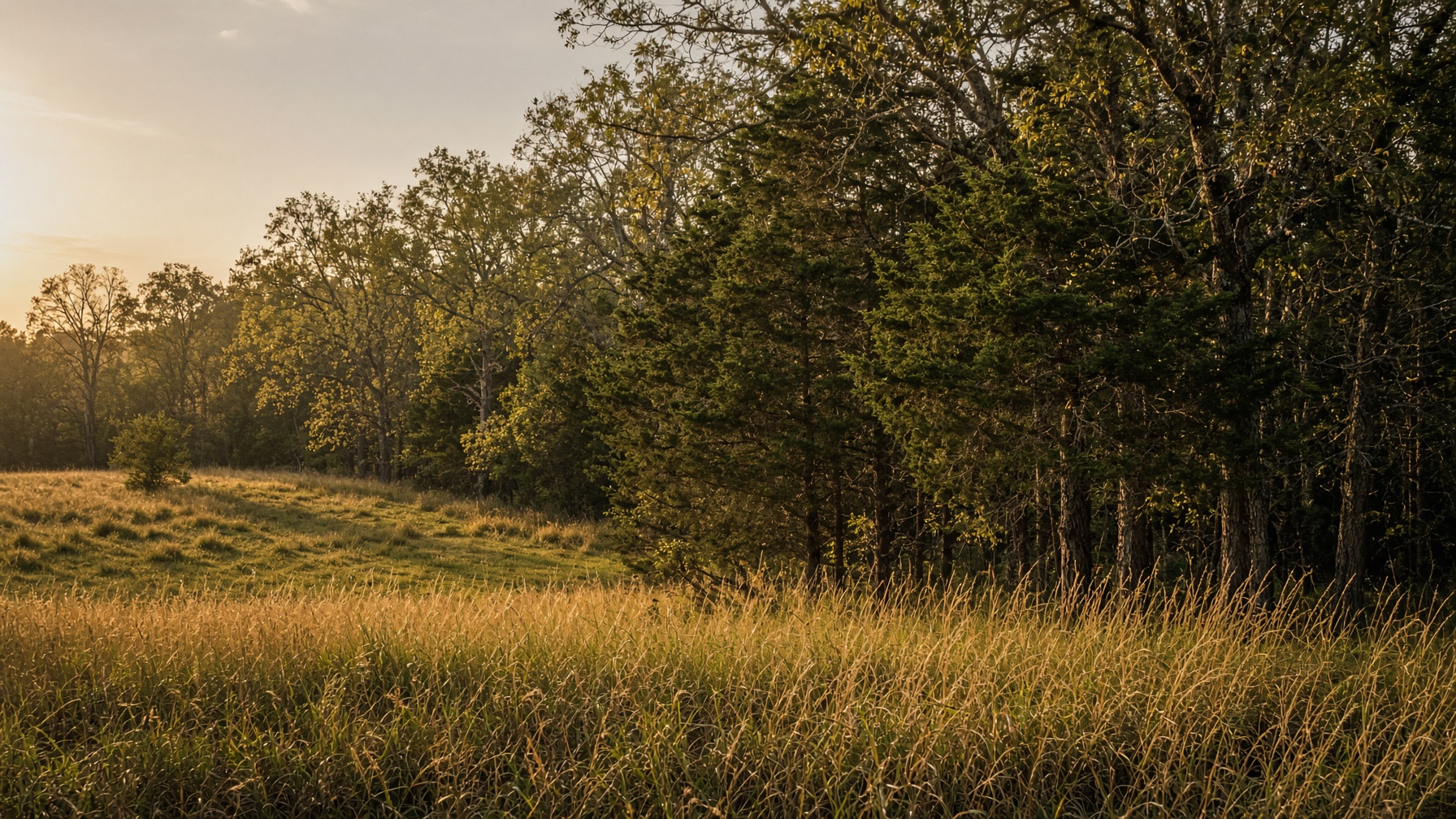
“To be rooted is perhaps the most important and least recognized need of the human soul.”
On the land
One or two people. Non-commercial. Reading, writing, walking, prayer, creative work. The land is the host.
Students leave screens for soil, streams, canopy, and landowners who have chosen to keep land intact.
Invasive removal, riparian buffers, forest health, trail care — service that teaches by doing.
Small seminars in ecology, land ethics, rural history, and the practice of deliberate living.
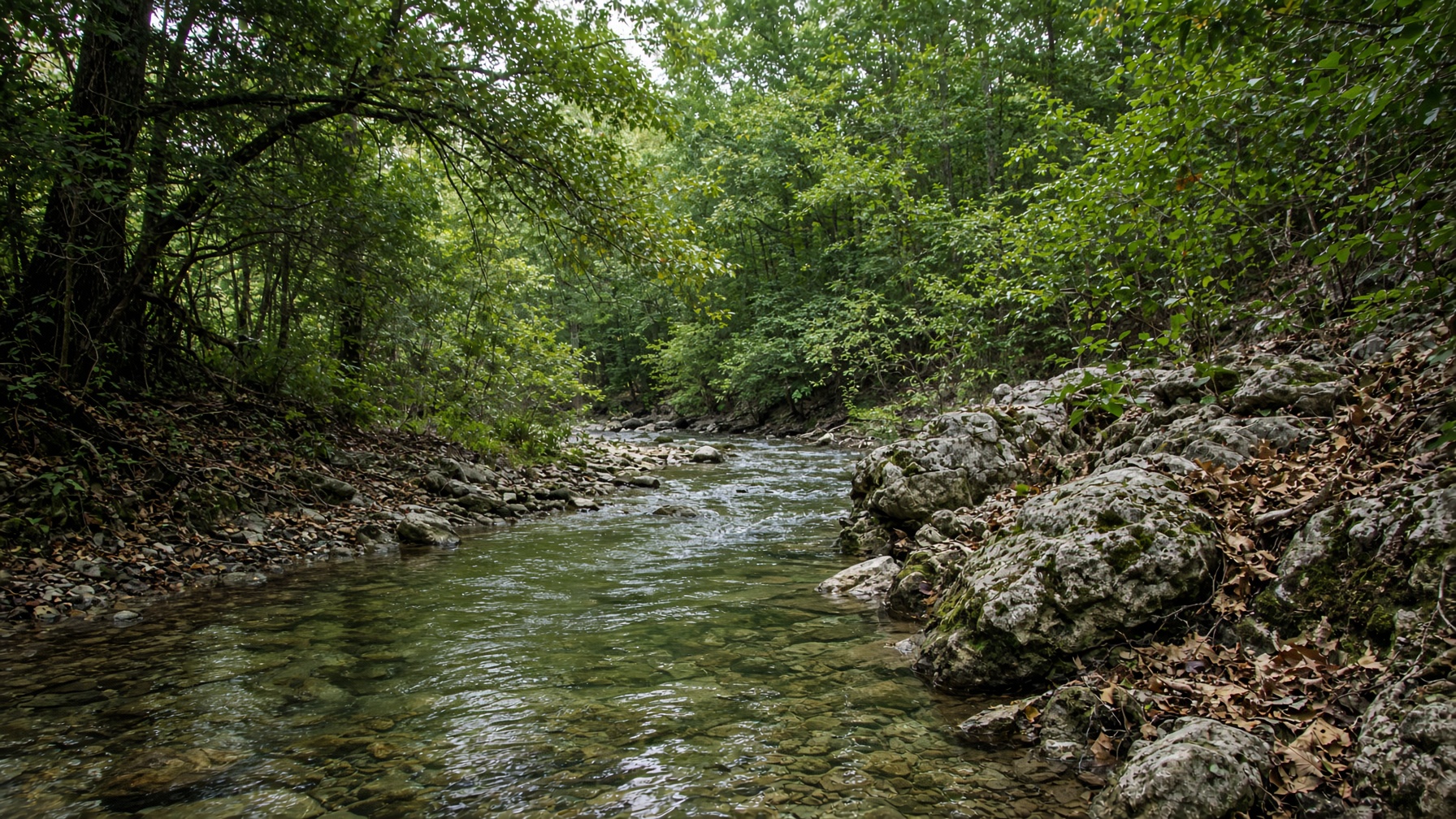
Help a landowner say no to short-term pressure and yes to long-term purpose.
BeginDistributed model
The Walden Initiative is the steward-of-stewards: standards, program design, partnership hub. Each site remains distinct. Each reflects the character of its land and the values of its owner.
Land set apart for preservation, ecological care, and family legacy — with little or no hosted activity.
A named Walden Zone: quiet, beauty, and stewardship without public programming. Greenbelt-aligned covenant, optional conservation planning, no requirement to open the property.
“Heaven is under our feet as well as over our heads.”
For landowners
Participation does not require opening the entire property or hosting frequent activity. Defined portions. Limited uses. Seasonal rhythms. Clear boundaries. You remain the steward.
Landowner path
Are you ready for a permanent restriction — a perpetual conservation easement held by an accredited land trust?
Greenbelt enrollment guidance, incentive stacking, and transaction assistance so conversion is not the only arithmetic.
You define the Walden Zone, prohibited uses, visitor policy, and whether anyone besides family ever walks the land.
Land becomes more than undeveloped acreage: a place where people recover attention, and a story that can outlast a sale.
Walden is a pathway, not a list of links. Tax and easement outcomes require independent counsel.
Tennessee’s Agricultural, Forest & Open Space Land Act values land by present use, not development speculation. Forest classification generally needs ≥15 acres and a forest management plan; rollback is 3 years (ag/forest) or 5 years (open space).
SB0207 funds permanent conservation easements on farmland and forestland, held by qualified 501(c)(3) easement holders. Walden builds the pipeline; land trusts hold the easements.
TDA and The Land Trust for Tennessee can help cover attorney fees, surveys, appraisals, and stewardship donations for perpetual agreements.
TAEP forestry (50–75% reimbursement), TRIP riparian incentives, ARCF BMPs, and NRCS EQIP/CSP/ACEP — stacked as a stewardship on-ramp, not a link dump.
Educators
Many institutions want field experience but lack protected landscapes, landowner relationships, or program-ready sites. Walden is the bridge: safe, purposeful, well-designed learning across a distributed network.
Age-appropriate field days that combine wonder with rigor: observe, measure, sketch, journal, serve the land, and learn from people who kept it.
An applied learning network for biology, forestry, agriculture, education, theology, sociology, writing, and public health — land as a living classroom.
A training ground for outdoor pedagogy. Future teachers learn to use land as a primary text, not a backdrop.
Creation care, sabbath, theology of place, and pastoral renewal practiced beside a restored stream — not as a slogan.
“What begins as undifferentiated space becomes place as we get to know it better and endow it with value.”
Small groups. High integrity. Site-specific modules — from watershed mapping to conservation writing.
Propose a partnershipResources
Books that named this work, Tennessee guidance on how land is managed and taxed, and the practical ways a place can be protected and still used.
Henry David Thoreau
Walden
The pond, the cabin, and the claim that a particular place can form a life.
Walking
A short essay on wildness as the preservation of the world, and on walking as a way of knowing land.
The Maine Woods
Rivers, timber, and the limit of what ownership can honestly claim.
A Week on the Concord and Merrimack Rivers
Attention paid to one watershed — travel as a form of stewardship.
Simone Weil
The Need for Roots
Rootedness as a need of the soul, and the harm done when people are cut off from place.
Gravity and Grace
Attention, detachment, and the discipline of receiving what is given rather than using it up.
Waiting for God
Attention as the rarest and purest form of generosity — the posture a Walden asks of its stewards.
Official explanations. Rules change, and county assessors apply them. Read the source, then talk with counsel before you enroll or record anything.
Tennessee Comptroller, State Board of Equalization
The Agricultural, Forest and Open Space Land Act of 1976, why it exists, and how classification is applied.
UT County Technical Assistance Service
Acreage, farm units, forest units under sustained-yield management, and open-space land of at least three acres.
Tennessee Division of Forestry
A ten-year roadmap with an area forester: timber, wildlife, water, and the plan many cost-share programs require.
Tennessee Department of Agriculture
Reimbursement for long-term practices. Forestry cost-share is arranged with a local area forester before signup.
If the tract qualifies, present-use assessment lowers the pressure to sell for development. Forest land generally needs at least 15 acres and a sound management plan. Rollback taxes apply if the use changes. Apply through the county assessor; Walden does not file for you.
Walk the woods with a Tennessee Division of Forestry area forester. The plan names goals — legacy, habitat, income, quiet — and the practices that serve them. It is also the usual door into forestry cost-share.
A defined zone, a term of years, and written limits on use. You keep title and daily control. The covenant records what will not happen there, and what may: family life, restoration, and, only if you choose, bounded learning.
For land meant to stay land, a conservation easement is held by an accredited land trust — not by Walden at launch. The Land Trust for Tennessee and the Farmland Preservation Fund are the usual partners. Independent counsel reviews every deed.
The Land Trust for TennesseeTAEP forestry reimbursement and NRCS programs such as EQIP can pay part of buffers, plantings, and forest stand improvement. Stack them as an on-ramp to stewardship, after a plan, not instead of one.
NRCS EQIPProtection is not idleness. A Walden can still grow food, tend timber under a plan, restore a creek, host a small cohort, or stay entirely private. Further use is whatever deepens the place without converting it.
Donors
A gift to Walden is not a season of programming. It builds a network of land that can keep giving after the first grant cycle has passed.
Real land, landowners, students, and stewardship practices.
Protected, cared-for land serves generations.
Acres, sites, students, restoration hours, residency nights.
Land, youth, ecology, renewal, and legacy at once.
Inquire
Tell us who you are and what the land — or the gift, or the class — might need. This preview keeps your note on this device until a staff pathway is live.
A Chartered Program of The Dignity Imperative, Inc., a registered 501(c)(3) organization. Federal Tax ID: 99-4181677.
We develop, launch, and steward distinct Chartered Programs that secure human dignity, advance holistic flourishing, and nurture sustainable resilience.
We steward resources with integrity, honor stories with humility, and build what lasts for the good of others and the glory of God.
connect@thedignityimperative.org